What can frozen saithe fillet block be used for?
Frozen saithe fillet block is suitable for producing fish burgers, portions, cubes, breaded products, and ready meals. The fillet form helps preserve a better meat structure than minced raw materials.
Choose a raw material that combines consistent quality, easy further processing, and a stable fillet structure. Frozen saithe fillet block is well suited to large-scale production where process control, raw material safety, and a predictable end result matter.
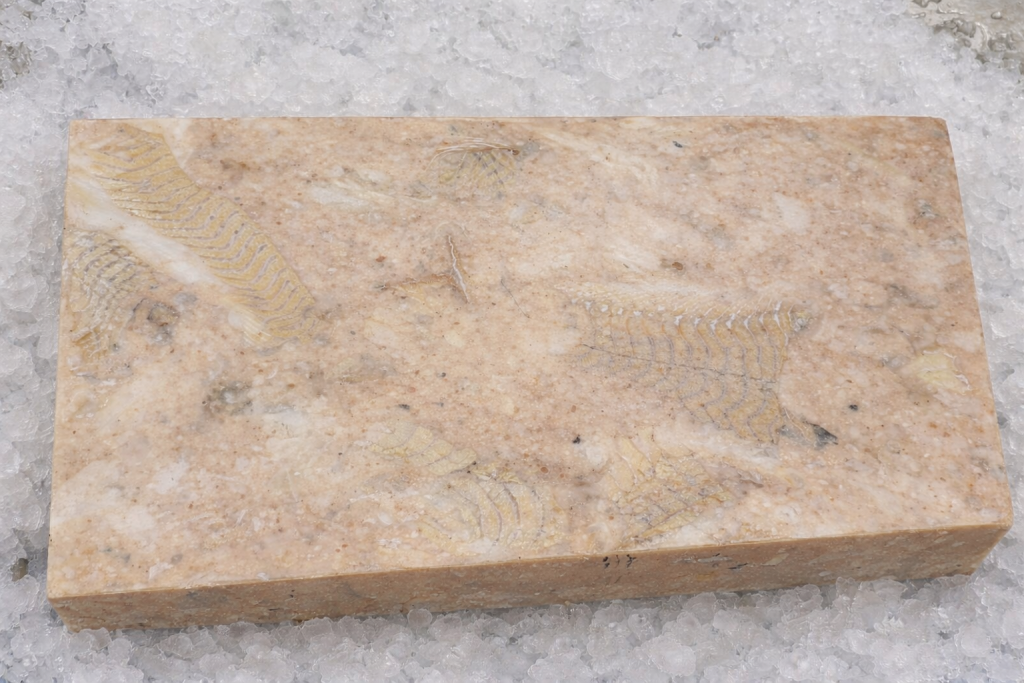
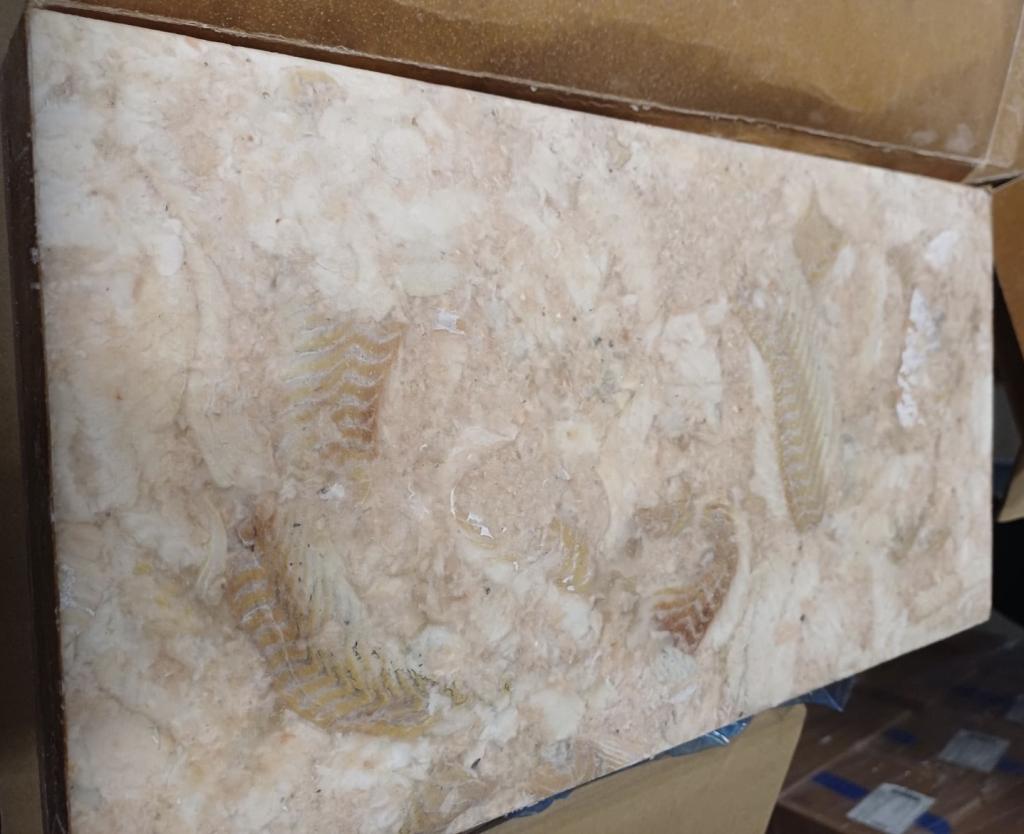
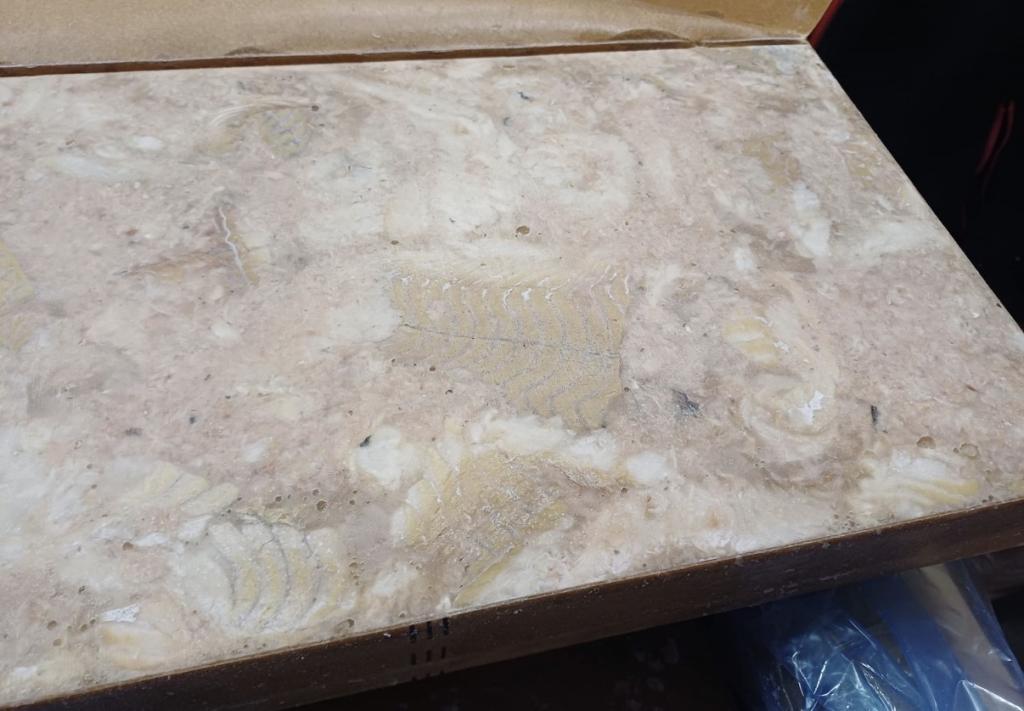
Frozen saithe fillet block is a fish raw material made from saithe fillets, intended for companies that need stable quality in serial production. The product is supplied as a BS, PBO fillet block, meaning skinless and practically boneless. Thanks to its compact, fibrous meat structure, it facilitates further processing and helps maintain a consistent appearance of finished products.
This variant is ideal where a standard minced raw material does not provide the required structure. Saithe fillet block allows better control of the final product texture. It is a good choice for fish processing plants, manufacturers of fish burgers, portions, cubes, breaded products, and ready meals.
By choosing saithe in fillet block form, you get a raw material with predictable technological parameters. The block format makes production planning, storage, and B2B delivery coordination easier.
The product is intended for companies that expect a functional fish raw material, not an accidental technological mix. This matters in the production of items where appearance, texture, and consistency have commercial value.
Frozen saithe fillet block is used in food processing and HoReCa operations. It can be used to produce fish burgers, portions, cubes, ready meals, and breaded products. It works well wherever a fillet raw material with a compact structure and neutral, natural flavour profile is needed.
The block format is especially practical in serial production. It simplifies portioning, batch planning, and maintaining standards between lots. The product can be used by fish processors, ready-meal manufacturers, foodservice suppliers, and export customers.
The product is based on saithe Pollachius virens and is supplied as a frozen fillet block. The technical parameters support use in production where raw material control, logistics, and predictable processing are important.
Protein content at around 18-20 g per 100 g supports the use of this product in fish products where raw material value and a clean composition are important.
Frozen saithe fillet block is stored and transported under chilled conditions, with temperature control below -18°C. The product meets microbiological requirements in line with EU 2073/2005 and heavy metal limits. Every batch is subject to quality and traceability checks, which is important for facilities working in repeatable production models.
The product contains no GMO, no polyphosphates, and has not been ionised. Compliance with HACCP and European Union standards supports safe implementation in food processing.
This product is a good choice for fish processors, ready-meal manufacturers, fish burger producers, foodservice suppliers, and B2B buyers. Choose frozen saithe fillet block when meat structure, batch consistency, and convenient logistics at larger scale matter.
It also works well for companies that want to replace minced raw materials with a more controlled fillet form. It is a solution for customers who need raw material for further processing, portioning, and products with a stable standard.
| Parameter | Value |
|---|---|
| Product name | Frozen saithe fillet block |
| Species | Saithe |
| Latin name | Pollachius virens |
| Product form | BS, PBO fillet block |
| Composition | 100% saithe |
| Processing method | Frozen |
| Unit weight | 7.5 kg |
| Packaging type | Block in liner, master carton |
| Palletisation | Approximately 800-1000 kg / EURO pallet |
| Fishing area | FAO 27, North Atlantic |
| Fishing method | Marine fishing in compliance with EU regulations |
| Appearance | Light colour characteristic of the species, clean surface |
| Texture | Compact, fibrous meat structure |
| Taste and smell | Natural, typical of fresh marine fish |
| Permissible quality deviations | Single bones up to 1 piece/kg, minor surface discolouration permitted |
| Energy | Approximately 80-90 kcal / 100 g |
| Protein | 18-20 g / 100 g |
| Fat | 0.5-1.5 g / 100 g |
| Carbohydrates | 0 g / 100 g |
| Salt | 0.1-0.3 g / 100 g |
| Salmonella | Absent in 25 g |
| Listeria monocytogenes | <100 cfu/g |
| E. coli | <10-100 cfu/g |
| Mercury Hg | <0.5 mg/kg |
| Lead Pb | <0.3 mg/kg |
| Cadmium Cd | <0.05 mg/kg |
| Storage conditions | Below -18°C |
| Transport | Chilled, temperature controlled |
| Shelf life | 18-24 months |
| Declarations | No GMO, no polyphosphates, product not ionised |
| Standards | Compliant with HACCP and EU standards |
| Use | HoReCa, food processing, production of fish burgers, portions, cubes, breaded products, and ready meals |
Fast preparation without defrosting whole blocks — lower food cost.
Raw material for minces, pastes and formed products.
Tell us the quantity and delivery country. We will check availability and send you a price with delivery options.
What can frozen saithe fillet block be used for?
Is frozen saithe fillet block suitable for food processing?
How does saithe fillet block differ from mince?
How much does a saithe fillet block weigh?
Does frozen saithe fillet block contain bones?
How is 7.5 kg frozen saithe fillet block packed?
How should frozen saithe fillet block be stored after delivery?
What is the shelf life of frozen saithe fillet block?
Does frozen saithe fillet block meet EU and HACCP standards?
What nutritional values does frozen saithe fillet block have?
Is frozen saithe fillet block suitable for ready meals?
Are regular B2B supplies of saithe fillet block possible?