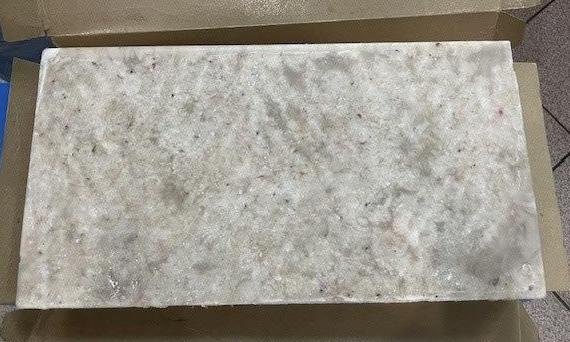
In the premium pet food segment – particularly in the human grade and craft food category – we are seeing a clear increase in demand for raw materials with high biological value, full traceability and stable technological parameters. One of the most promising directions is the use of fish mince based on species such as:
- Atlantic cod (Gadus morhua)
- coalfish (pollock, Pollachius virens)
- pollock (Gadus chalcogrammus)
Below we present a comprehensive analysis of their use in premium pet food production.
1. What is fish mince and why does it matter in pet food?
Fish mince is mechanically separated fish meat (MSM / fish mince) obtained from fillets, trimmings or whole carcasses after precise deboning. Unlike fish meal or hydrolysates, mince:
- retains muscle structure and the natural protein profile
- can be classified as human grade (depending on the process and raw material)
- allows the production of products such as:
- fresh / wet food
- BARF / raw feeding
- cooked craft pet food
- premium extruded products (after appropriate processing)
2. Why are cod and pollock the optimal choice?
2.1 Nutritional profile
Cod and pollock mince are characterised by:
- high content of high-quality protein (16–19%)
- low fat content (lean protein source) – ideal for diets:
- elimination
- low-fat
- veterinary
- presence of:
- essential amino acids (lysine, methionine)
- trace elements (selenium, iodine)
- omega-3 fatty acids (EPA/DHA – although lower than in oily fish)
This makes them an ideal raw material for manufacturers of functional pet food.
2.2 Neutral sensory profile
Cod and pollock have:
- a mild aroma
- a light flesh colour
- a neutral taste
which is crucial when:
- formulating premium pet food
- developing hypoallergenic products
- combining with other proteins (e.g. turkey, lamb)
2.3 Technological stability
Fish mince from these species:
- responds well to:
- freezing (IQF / blocks)
- homogenisation
- heat treatment
- has a consistent structure and viscosity, which makes it easier to:
- form products
- extrude
- produce pâtés and bars
3. Fish mince as a human grade raw material
For manufacturers targeting the human grade pet food segment, the key factors are:
3.1 Source of raw material
- catch from certified fisheries (MSC)
- controlled cold chain
- rapid processing after catch
3.2 Production process
Human grade mince should be:
- produced in facilities approved for food processing
- free from:
- mechanical contaminants
- excessive fat oxidation
- microbiologically stable
3.3 Transparency and traceability
For the premium market, the following are increasingly important:
- full batch traceability
- species declaration (no generic “fish”)
- quality documentation (HACCP, IFS, BRC)
4. Applications of fish mince in pet food production
4.1 Wet food (premium wet food)
Cod/pollock mince:
- forms the protein base
- allows you to achieve:
- smooth texture
- high digestibility
- combines well with:
- salmon oil
- functional vegetables
4.2 Craft pet food (small batch / craft pet food)
An increasing number of manufacturers:
- use mince as an alternative to traditional meats
- build storytelling around:
- “wild caught fish”
- “clean protein”
- “single protein diets”
4.3 BARF and raw feeding
Mince:
- simplifies the production process
- ensures a uniform structure
- allows precise dosing of ingredients
4.4 Functional products
Thanks to low fat content and high digestibility:
- ideal for:
- dogs with digestive issues
- veterinary diets
- senior pets
5. Key purchasing parameters for manufacturers
When choosing a fish mince supplier, it is worth paying attention to:
Physicochemical parameters:
- protein content
- fat content
- moisture level
- TVB-N (freshness)
Technological parameters:
- particle size
- water-binding capacity
- stability after thawing
Logistics parameters:
- delivery format (blocks, IQF)
- temperature (-18°C or lower)
- batch consistency
6. Market trends – why invest in fish mince?
The premium pet food market in Europe is moving towards:
- humanisation of pet nutrition
- ingredients that are:
- natural
- transparent
- high quality
- diets:
- single protein
- hypoallergenic
- functional nutrition
Fish mince from cod and pollock fits these trends perfectly.